
The Role of Compressed Air Technology in Modern Manufacturing
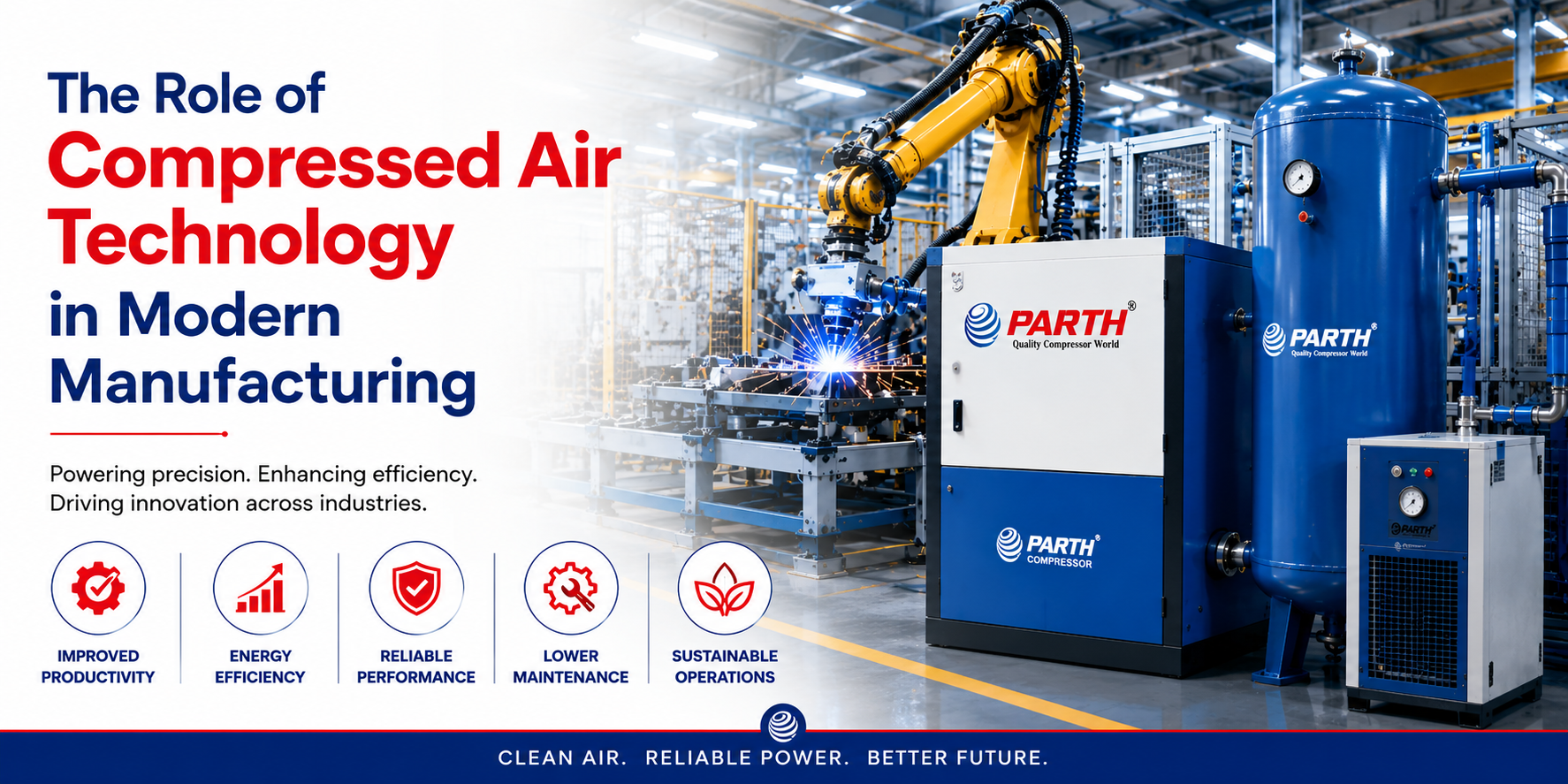
Compressed air technology has become an essential component of modern manufacturing processes across various industries. Often referred to as the fourth utility after electricity, water, and gas, compressed air powers a wide range of equipment and production systems. From assembly lines and packaging operations to material handling and automation, manufacturers rely on efficient compressed air systems to maintain productivity and operational consistency. As industries continue to embrace advanced manufacturing practices, the demand for reliable and energy-efficient air compression solutions continues to grow.
Understanding Compressed Air Technology
Compressed air technology involves converting power into stored energy through pressurized air. This compressed air can then be used to operate machinery, tools, and automated systems within manufacturing facilities.
Common applications include:
- Operating pneumatic tools
- Powering automated production equipment
- Supporting packaging processes
- Material transportation systems
- Cleaning and drying operations
The versatility of compressed air makes it a preferred solution in industries such as automotive, pharmaceuticals, food processing, textiles, and electronics manufacturing.
Enhancing Productivity in Manufacturing Facilities
Efficiency remains a key objective for manufacturers seeking to maximize output while controlling operational costs. Many compressor Manufacturers In Ahmedabad focus on developing solutions that help industries maintain consistent airflow and support uninterrupted production.
Compressed air systems contribute to productivity by:
- Reducing manual labor requirements
- Supporting automated machinery
- Maintaining process consistency
- Minimizing equipment downtime
- Improving production speed
When properly designed and maintained, these systems provide dependable performance and help manufacturers meet increasing production demands without compromising quality.
Energy Efficiency and Cost Optimization
Energy consumption is a significant concern for manufacturing facilities. Since compressed air systems can account for a substantial portion of industrial energy usage, optimizing their efficiency is critical.
The table below highlights key factors that influence compressed air system performance:
| Factor | Impact on Operations |
| Leak Prevention | Reduces energy waste |
| Proper Maintenance | Improves system reliability |
| Efficient Equipment | Lowers power consumption |
| Correct System Sizing | Enhances operational efficiency |
| Monitoring and Controls | Supports better energy management |
By focusing on these factors, manufacturers can reduce operating expenses and improve the overall effectiveness of their compressed air infrastructure.
Supporting Industrial Automation and Innovation
Automation has transformed manufacturing by improving accuracy, speed, and consistency. Many Air Compressor Manufacturers In India design systems that integrate seamlessly with modern automated production environments.
Compressed air plays a critical role in automation by powering:
- Robotic assembly systems
- Pneumatic actuators
- Conveyor operations
- Packaging machinery
- Sorting and handling equipment
As manufacturing technologies continue to evolve, compressed air systems remain essential for supporting automated processes that require precision and reliability. Their adaptability allows facilities to scale operations and adopt innovative production methods more effectively.
Reliability and Safety in Industrial Operations
Manufacturing facilities depend on equipment that can operate continuously under demanding conditions. Compressed air systems are valued for their reliability and ability to perform in challenging industrial environments.
Key advantages include:
- Consistent operational performance
- Reduced risk of electrical hazards in certain applications
- Compatibility with various industrial processes
- Durable and long-lasting equipment
- Simplified maintenance requirements
Reliable compressed air systems contribute to safer working conditions while helping organizations maintain production schedules and quality standards.
Frequently Asked Questions
1. Why is compressed air important in manufacturing?
Compressed air powers numerous industrial tools and systems, making it essential for production, automation, packaging, and material handling operations.
2. Which industries commonly use compressed air technology?
Industries such as automotive, pharmaceuticals, food processing, textiles, electronics, and manufacturing frequently rely on compressed air systems.
3. How can manufacturers improve compressed air efficiency?
Regular maintenance, leak detection, proper equipment sizing, and energy monitoring can significantly improve system efficiency.
4. What role does compressed air play in automation?
It powers pneumatic devices, actuators, robotic systems, and automated production equipment that help improve operational efficiency.
5. Why is reliability important in compressed air systems?
Reliable systems reduce downtime, maintain production consistency, and support continuous industrial operations.
Conclusion
Compressed air technology continues to play a vital role in modern manufacturing by supporting productivity, automation, energy efficiency, and operational reliability. As industries increasingly adopt advanced production methods, the need for dependable air compression systems remains strong. Equipment such as the Screw Air Compressor has become a key component in helping manufacturers achieve consistent performance while optimizing energy use. Companies like Parth Compressor contribute to this evolving industrial landscape by providing solutions that support the growing demands of modern manufacturing environments.