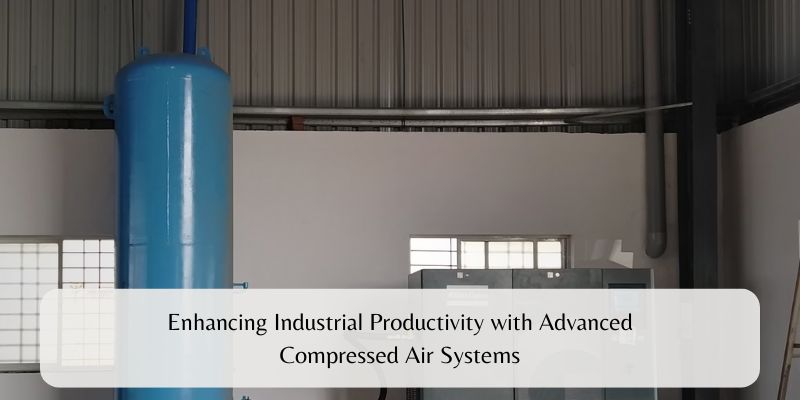

Enhancing Industrial Productivity with Advanced Compressed Air Systems
Compressed air systems are an essential part of modern industrial operations. From manufacturing plants to automotive workshops and food processing units, these systems support a wide range of applications that require consistent power and operational efficiency. Industries rely on air compressors to improve productivity, automate processes, and maintain equipment performance. As industrial demand continues to grow, businesses increasingly depend on reliable Air Compressor Manufacturers In India to provide efficient and durable solutions for different operational requirements.
The Importance of Compressed Air in Industrial Operations
Compressed air is often referred to as the fourth utility in industrial environments because of its widespread use across sectors. It powers machinery, supports pneumatic tools, and helps maintain production consistency in various applications.
Industries commonly using compressed air systems include:
- Automotive manufacturing
- Textile production
- Pharmaceutical facilities
- Food and beverage processing
- Engineering workshops
Efficient air systems contribute to smoother operations while reducing downtime and maintenance interruptions. Selecting the right compressor system is therefore an important decision for industrial businesses.
Understanding the Role of Modern Compressor Technology
One of the most widely used systems in industries today is the Screw Air Compressor because of its continuous performance and energy efficiency. Unlike traditional piston systems, screw compressors are designed for consistent operation in demanding industrial conditions.
Some major advantages include:
- Continuous airflow delivery
- Lower operational noise
- Improved energy efficiency
- Reduced maintenance requirements
- Longer service life
These compressors are suitable for facilities that require uninterrupted air supply throughout production cycles. Their reliability makes them a preferred choice for medium and large scale industries.
Comparing Different Types of Air Compressors
Different industrial applications require different compressor technologies. Understanding the characteristics of each system helps businesses select equipment that matches their operational demands.
| Compressor Type | Main Feature | Common Application |
| Reciprocating Compressor | High pressure capability | Small workshops |
| Rotary Screw Compressor | Continuous airflow | Manufacturing plants |
| Centrifugal Compressor | Large volume output | Heavy industries |
| Oil Free Compressor | Clean air production | Pharmaceutical sector |
| Portable Compressor | Mobility and flexibility | Construction sites |
Choosing the correct type depends on factors such as pressure requirements, operating hours, and maintenance expectations.
Factors to Consider Before Selecting a Compressor
Selecting a suitable screw type air compressor involves evaluating several operational and technical factors. Proper assessment helps businesses improve efficiency and reduce long term operational costs.
Important considerations include:
- Required air pressure and capacity
- Energy consumption levels
- Installation space availability
- Maintenance accessibility
- Future production expansion needs
Businesses should also evaluate environmental conditions, ventilation requirements, and system compatibility with existing industrial equipment. Careful planning ensures reliable performance and improved equipment lifespan.
Benefits of Energy Efficient Compressor Systems
Modern compressor technology focuses heavily on energy efficiency and operational reliability. Since compressed air systems can account for a significant portion of industrial electricity usage, efficient equipment contributes to long term cost savings.
Key benefits of advanced systems include:
- Lower electricity consumption
- Reduced operational downtime
- Improved production efficiency
- Better temperature management
- Enhanced system durability
Technological advancements have also introduced smart monitoring features that help industries track system performance and identify maintenance needs before major issues occur. These innovations improve productivity while supporting better energy management practices.
FAQs
Why are air compressors important in industries?
They provide compressed air for powering machinery, pneumatic tools, and automated production systems.
What makes screw compressors suitable for industrial use?
They deliver continuous airflow, operate efficiently, and require less maintenance compared to many traditional systems.
How can industries reduce compressor energy consumption?
Regular maintenance, proper sizing, and efficient operating practices help reduce energy usage.
Are oil free compressors necessary for certain industries?
Yes, industries such as pharmaceuticals and food processing often require contamination free compressed air.
What factors affect compressor performance?
Air demand, operating temperature, maintenance quality, and installation conditions all influence performance.
Conclusion
Compressed air systems continue to play a vital role in modern industrial productivity and operational efficiency. With advancements in compressor technology, businesses now have access to systems that deliver reliable performance while reducing energy consumption and maintenance challenges. Proper equipment selection and regular system evaluation are essential for achieving long term operational benefits. Companies like Parth Compressor contribute to the growing industrial demand for efficient air solutions across different sectors. For businesses seeking dependable Screw Compressor Manufacturers In India, understanding system requirements and efficiency factors can support better investment decisions and sustainable industrial operations.