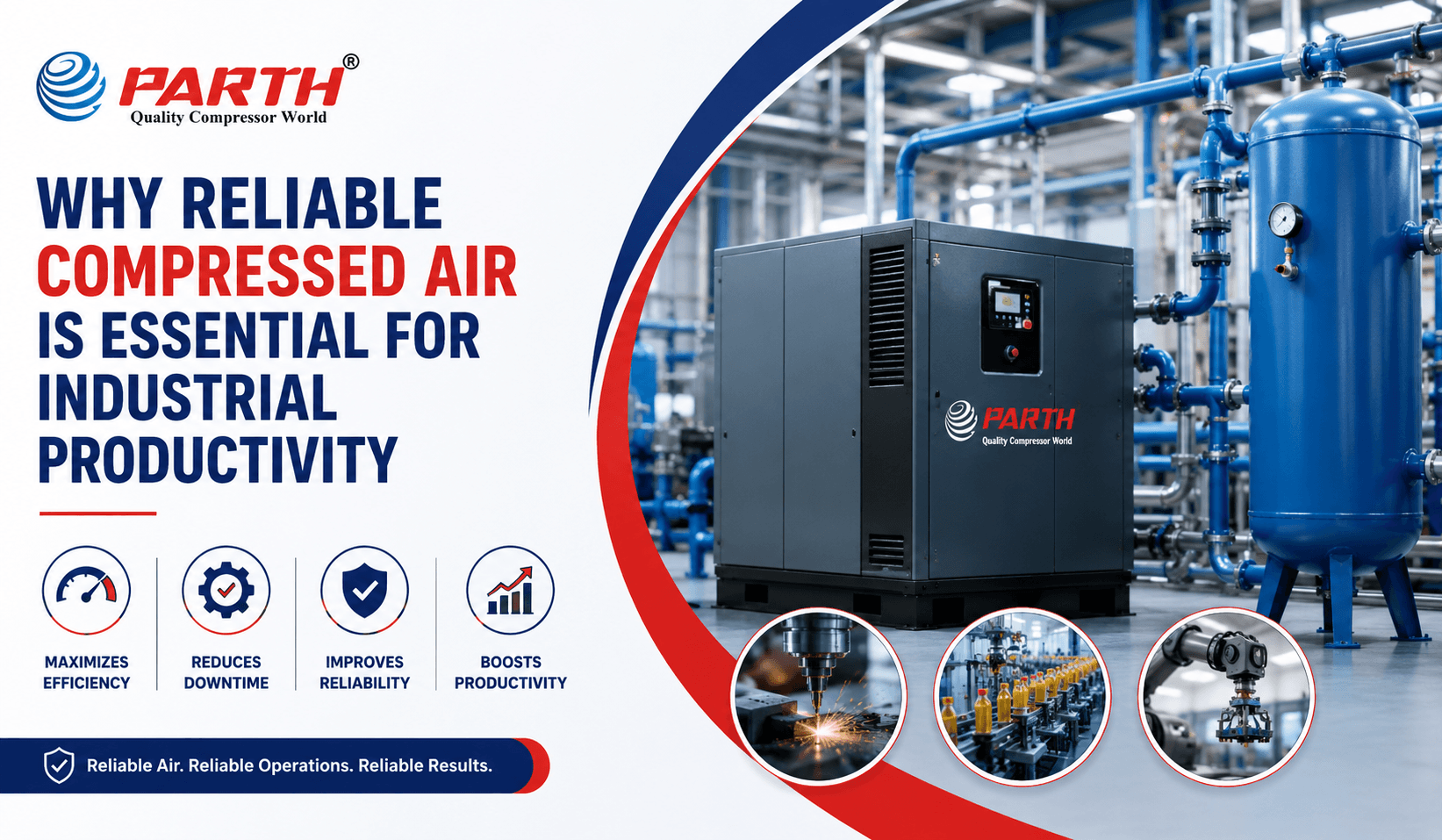

Why Reliable Compressed Air Is Essential for Industrial Productivity
Compressed air is one of the most widely used utilities in industrial operations. It powers machinery, supports automation systems, and plays a critical role in maintaining efficient production processes. However, the effectiveness of any compressed air system depends not only on generating air but also on ensuring its quality and consistency. Contaminants such as dust, moisture, and oil particles can negatively affect equipment performance and product quality. This is why components such as Air Compressor Filters are essential in modern industrial environments, helping businesses maintain operational efficiency while protecting valuable equipment.
The Importance of Clean and Reliable Compressed Air
Industrial facilities rely on compressed air for numerous applications, including manufacturing, packaging, material handling, and process automation. When the air supply contains contaminants, it can lead to equipment damage, reduced productivity, and increased maintenance costs.
Reliable compressed air offers several advantages:
- Consistent machine performance
- Reduced equipment wear and tear
- Improved product quality
- Lower maintenance requirements
- Enhanced workplace efficiency
Maintaining air quality helps ensure that industrial systems operate smoothly and meet production targets without unnecessary interruptions.
How Filtration Supports Operational Efficiency
Effective Compressed air filters play a crucial role in removing contaminants from the air stream before it reaches sensitive equipment. These filtration components help eliminate particles, oil aerosols, and moisture that can compromise system performance.
Benefits of proper filtration include:
- Protection of pneumatic equipment
- Improved operational reliability
- Reduced risk of product contamination
- Lower repair and replacement costs
- Enhanced energy efficiency
By ensuring cleaner air delivery, filtration systems contribute directly to improved productivity and more stable manufacturing processes.
Common Challenges Caused by Poor Air Quality
When compressed air quality is not properly managed, industrial facilities may encounter several operational issues. Contaminated air can affect both machinery and end products, leading to inefficiencies across production lines.
The table below highlights common contaminants and their potential impact:
| Contaminant | Potential Impact |
| Dust and Particles | Equipment wear and blockages |
| Moisture | Corrosion and system damage |
| Oil Residue | Product contamination |
| Microorganisms | Quality control concerns |
| Rust Particles | Reduced equipment performance |
Understanding these risks helps organizations appreciate the importance of maintaining high-quality compressed air throughout their operations.
The Role of Advanced Filtration Systems
A well-designed Air compressor filtration system serves as a critical safeguard for industrial equipment and processes. These systems are engineered to remove contaminants at different stages, ensuring that air delivered to machinery meets operational requirements.
Key functions of advanced filtration systems include:
- Removing solid particles from compressed air
- Separating moisture and condensate
- Reducing oil contamination
- Supporting equipment longevity
- Maintaining process consistency
By integrating effective filtration into compressed air infrastructure, organizations can reduce downtime and improve the reliability of production operations.
Enhancing Productivity Through Preventive Maintenance
Reliable compressed air depends not only on quality equipment but also on consistent maintenance practices. Preventive maintenance helps ensure that compressors, filters, and associated components continue to perform efficiently.
Important maintenance activities include:
- Regular filter inspections and replacements
- Monitoring system pressure levels
- Checking for air leaks
- Draining moisture collection systems
- Evaluating overall system performance
Proactive maintenance minimizes the likelihood of unexpected breakdowns and helps facilities maintain continuous production schedules. It also supports long-term cost savings by preventing major equipment failures.
Conclusion
Reliable compressed air is a fundamental requirement for efficient industrial operations. Clean air supports equipment performance, protects production processes, and helps organizations maintain consistent productivity. By investing in effective filtration and maintenance practices, businesses can reduce operational disruptions and improve long-term efficiency. A properly designed Compressed air filtration system plays a key role in achieving these objectives by ensuring high-quality air throughout the production environment. Companies such as Parth Compressor operate within this critical sector, where dependable compressed air solutions remain essential for modern industrial productivity.
Frequently Asked Questions
1. Why is clean compressed air important in industrial applications?
Clean compressed air helps protect equipment, maintain product quality, reduce maintenance costs, and improve operational efficiency.
2. What contaminants are commonly found in compressed air systems?
Dust, moisture, oil particles, rust, and microorganisms are among the most common contaminants that can affect system performance.
3. How do filtration systems improve productivity?
Filtration systems remove harmful contaminants, helping equipment operate more reliably and reducing the risk of downtime.
4. How often should compressed air filters be maintained?
Maintenance schedules vary depending on operating conditions, but regular inspections and timely replacements are essential for optimal performance.
5. Can poor air quality affect product quality?
Yes. Contaminated compressed air can introduce unwanted particles or moisture into production processes, potentially affecting final product quality.