
Why Air Compressor Filters Are Essential for Efficient Industrial Operations
Compressed air is a critical utility in many industries, powering machinery, production equipment, and automated systems. However, the quality of compressed air directly affects equipment performance, product quality, and operational efficiency. Dust, moisture, oil particles, and other contaminants can reduce system reliability if they are not properly removed. This is why Air Compressor Filters play a vital role in maintaining clean air, protecting equipment, and supporting uninterrupted industrial processes. Understanding their importance helps businesses improve productivity while reducing maintenance requirements and operational costs.
How Clean Compressed Air Improves System Performance
Compressed air systems operate most efficiently when contaminants are effectively controlled. Clean air protects machinery from unnecessary wear and ensures that pneumatic equipment performs consistently across different industrial applications.
Some of the major benefits of proper filtration include:
- Reduced equipment wear and tear
- Improved operational reliability
- Better product quality in sensitive processes
- Lower maintenance requirements
- Increased equipment lifespan
- More consistent airflow throughout the system
Maintaining clean compressed air helps organizations improve production efficiency while minimizing the likelihood of unexpected equipment failures.
Choosing the Right compressor air filters
Selecting suitable filters requires understanding the operating environment, air quality requirements, and system capacity. Different industries may require different filtration levels depending on the sensitivity of their processes.
| Selection Factor | Why It Is Important |
| Filtration Efficiency | Removes unwanted contaminants effectively |
| Air Flow Capacity | Supports uninterrupted system performance |
| Pressure Drop | Helps maintain energy efficiency |
| Maintenance Frequency | Reduces operational interruptions |
| Application Compatibility | Matches industry-specific requirements |
Evaluating these factors helps businesses choose filtration solutions that support both operational efficiency and long-term equipment protection.
Common Contaminants Found in Compressed Air
Compressed air can contain various contaminants that affect equipment performance if left untreated. These impurities often enter the system through the surrounding environment or develop during the compression process.
Some of the most common contaminants include:
- Dust and airborne particles
- Moisture from humidity
- Oil vapour and aerosols
- Rust particles from pipelines
- Microorganisms in certain environments
Each of these contaminants can reduce system efficiency, increase maintenance requirements, and affect production quality. Proper filtration minimizes these risks while supporting stable and reliable operations across industrial facilities.
Why an Air compressor filtration system Supports Long-Term Efficiency
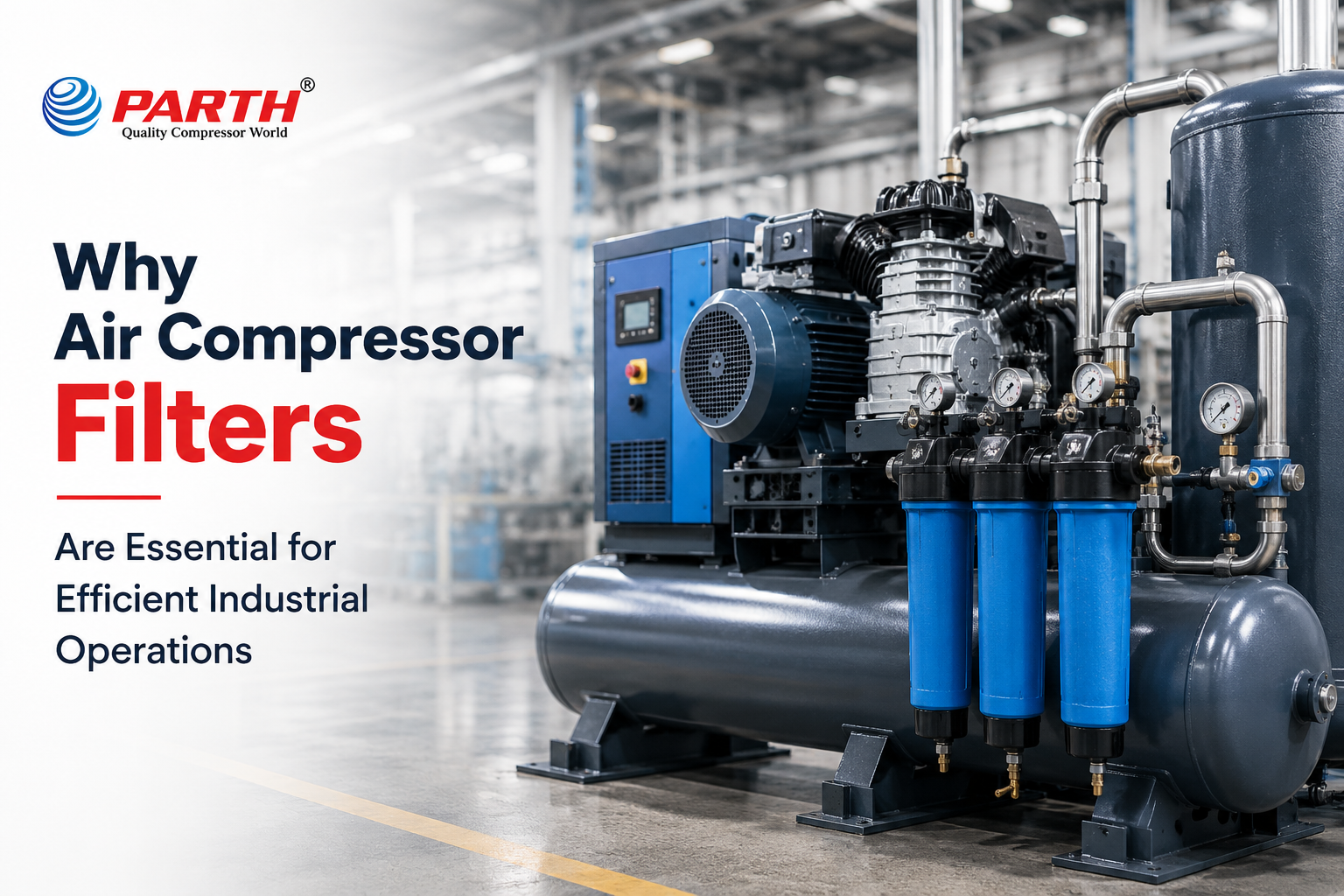
A complete filtration system provides multiple stages of air treatment rather than relying on a single filter. This approach helps remove different types of contaminants while maintaining consistent compressed air quality.
An effective filtration system contributes to:
- Better protection for pneumatic equipment
- Improved manufacturing consistency
- Lower maintenance costs
- Enhanced operational reliability
- Greater energy efficiency
When filtration systems are properly designed and maintained, businesses experience fewer interruptions and improved equipment performance. Investing in a structured filtration strategy also helps extend the service life of compressors and downstream equipment.
Best Practices for Filter Maintenance
Even the highest-quality filters require regular maintenance to deliver consistent performance. Over time, contaminants accumulate within filter elements, reducing airflow and increasing pressure loss.
Organizations can improve filtration performance by:
- Inspecting filters at scheduled intervals
- Replacing filter elements when required
- Monitoring pressure differentials
- Checking system performance regularly
- Following preventive maintenance schedules
Routine maintenance not only protects compressor equipment but also supports energy efficiency by preventing unnecessary pressure losses. Well-maintained filtration systems contribute to smoother operations and reduce the likelihood of costly repairs or production downtime.
Read More
Want to learn how compressed air systems improve manufacturing efficiency? Read our related article, How a PET Compressor Enhances Efficiency in Bottle Manufacturing to discover how PET compressors support faster production, improve energy efficiency, and deliver consistent performance in modern bottle manufacturing operations.
Conclusion
Maintaining clean compressed air is essential for protecting industrial equipment, improving production reliability, and supporting long-term operational efficiency. A well-designed Compressed air filtration system helps reduce contaminants while ensuring consistent air quality across a wide range of applications. Organizations that prioritize proper filtration and preventive maintenance can improve equipment performance while minimizing operational disruptions. Companies such as Parth compressor contribute to reliable compressed air solutions by supporting efficient filtration technologies designed to meet the evolving demands of modern industries.
Frequently Asked Questions
1. Why are air compressor filters important?
They remove contaminants such as dust, moisture, and oil particles, helping protect equipment and maintain compressed air quality.
2. What contaminants are commonly found in compressed air?
Dust, moisture, oil aerosols, rust particles, and airborne impurities are among the most common contaminants.
3. How often should compressor filters be replaced?
Replacement schedules depend on operating conditions, air quality requirements, and manufacturer recommendations. Regular inspections help determine the appropriate timing.
4. Can poor filtration affect production quality?
Yes. Contaminated compressed air can reduce equipment performance, increase maintenance needs, and negatively impact sensitive manufacturing processes.
5. How can businesses improve compressed air system efficiency?
Using appropriate filtration, performing routine maintenance, monitoring system performance, and replacing filter elements on time all contribute to improved efficiency.