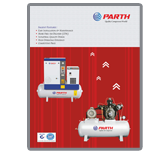

Understanding Screw Air Compressors: Features, Benefits, and Applications
Industrial productivity depends heavily on reliable compressed air systems. From manufacturing plants to automotive workshops, consistent airflow powers tools, automation lines, and pneumatic equipment. Among the most efficient technologies available today is the Screw Air Compressor, recognised for its durability, continuous operation capability, and energy-efficient performance. Designed to deliver stable output under demanding conditions, this rotary compression system has become integral to modern industrial infrastructure.
Unlike reciprocating systems that operate through piston movement, rotary units use intermeshing helical rotors to compress air smoothly. This mechanism minimises pulsation and vibration, ensuring quieter performance and reduced mechanical stress. As industries increasingly prioritise energy efficiency and long-term operational stability, rotary compression technology continues to gain prominence.
Core Working Principle
The system functions through two precisely engineered rotors rotating within a chamber. As the rotors turn, air is trapped between the lobes and gradually compressed as the space decreases. The compressed air is then discharged at the desired pressure level.
Key components include:
- Male and female helical rotors
• Intake valve and filtration system
• Oil injection or oil-free compression chamber
• Cooling and separation system
• Control panel for pressure regulation
This continuous compression cycle enables uninterrupted airflow, making it ideal for facilities operating around the clock.
Distinctive Features
Rotary compression units are engineered for efficiency and reliability. Their design supports sustained output without the stop-start cycles typical of piston-based systems.
Notable features include:
- Low vibration and reduced noise levels
• High energy efficiency during prolonged operation
• Compact footprint suitable for industrial floors
• Advanced control systems for load management
• Enhanced cooling mechanisms
These attributes contribute to consistent performance in environments where stable pressure is essential.
Benefits of Rotary Compression Technology
Industrial operations demand equipment capable of handling heavy workloads without compromising efficiency. Rotary compression systems meet this requirement through robust engineering and intelligent energy management.
Primary advantages include:
- Continuous airflow without pulsation
• Lower maintenance requirements compared to reciprocating units
• Reduced wear and tear due to fewer moving parts
• Improved energy savings over extended usage
• Reliable performance under high-demand cycles
Energy efficiency remains one of the most significant benefits. Variable speed drive technology further enhances efficiency by adjusting motor speed according to air demand, minimising unnecessary power consumption.
Applications Across Industries
Compressed air powers numerous industrial processes. Rotary compression systems serve a wide spectrum of sectors due to their durability and consistent output.
Common applications include:
- Automotive assembly lines
• Textile manufacturing facilities
• Food processing plants
• Pharmaceutical production units
• Construction and mining operations
• Packaging and material handling systems
In these industries, stable pressure is critical for operational continuity and product quality. Rotary systems provide dependable support in both heavy-duty and precision-based processes.
Oil-Injected vs Oil-Free Variants
Industrial requirements vary significantly depending on the application. Oil-injected systems are widely used for general manufacturing tasks, offering excellent lubrication and cooling benefits. Oil-free variants, on the other hand, are preferred in sectors where air purity is essential, such as healthcare and food production.
Selecting the appropriate configuration depends on:
- Required air quality standards
• Operational pressure range
• Environmental considerations
• Maintenance capacity
• Budget allocation
Careful evaluation ensures optimal performance and compliance with industry regulations.
Market Demand and Industrial Growth
With rapid industrialisation and infrastructure expansion, demand for reliable compressed air systems continues to rise. Many Air Compressor Manufacturers In India are investing in advanced technologies to meet evolving energy and sustainability standards.
Industrial growth has intensified the need for:
- Energy-efficient systems
• Compact and modular designs
• Digital monitoring capabilities
• Enhanced durability under harsh conditions
• Reduced operational costs
As industries modernise production facilities, rotary compression technology remains central to efficiency improvements.
Performance Optimisation and Maintenance
Regular maintenance ensures longevity and peak performance. Preventive servicing typically includes checking oil levels, inspecting filters, monitoring pressure settings, and ensuring adequate cooling.
An efficiently maintained screw type air compressor operates with minimal downtime and consistent pressure stability. Predictive maintenance tools integrated into modern units further reduce unexpected failures by alerting operators to potential issues before they escalate.
Best practices for maintenance include:
- Routine inspection of intake filters
• Monitoring temperature levels
• Periodic oil replacement in lubricated systems
• Verification of belt tension and rotor alignment
• Timely replacement of worn components
Proactive servicing enhances equipment lifespan and safeguards operational continuity.
Technological Advancements
Modern compression systems increasingly incorporate smart control panels and digital interfaces. These features allow operators to monitor pressure levels, energy consumption, and maintenance schedules in real time.
Technological improvements focus on:
- Energy optimisation through variable speed drives
• Noise reduction enhancements
• Compact modular construction
• Remote monitoring capabilities
• Integration with industrial automation systems
Such advancements align with global sustainability goals and operational efficiency standards.
Conclusion
Rotary compression technology has become indispensable across diverse industrial sectors due to its reliability, efficiency, and adaptability. From continuous production environments to precision-driven applications, these systems deliver stable performance with reduced maintenance demands. As industries seek advanced solutions, Screw Compressor Manufacturers In India continue to refine engineering standards to meet evolving operational requirements. With expertise rooted in performance-driven innovation, Parth Compressor contributes to the advancement of efficient compressed air systems designed for modern industrial excellence.