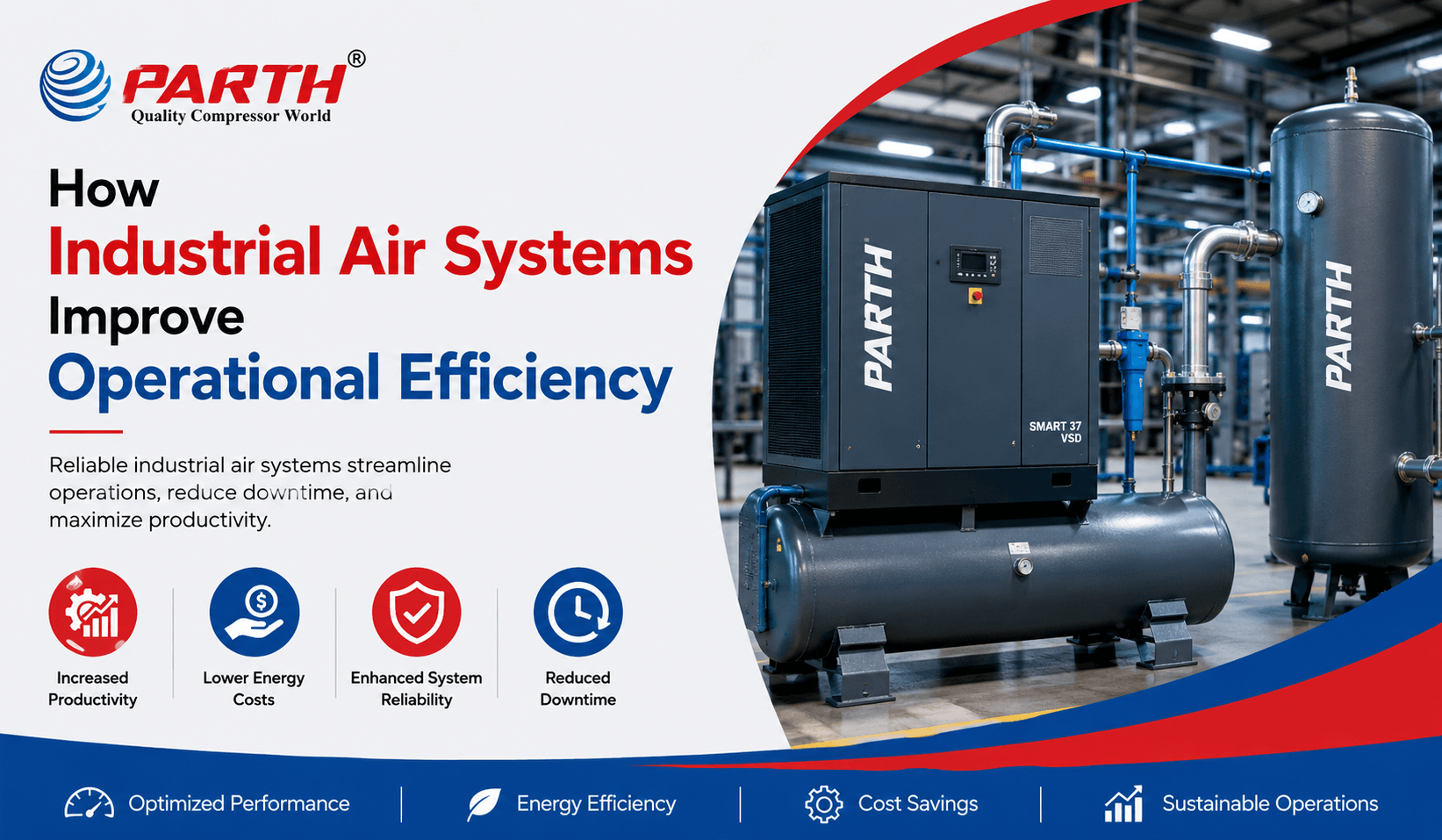

How Industrial Air Systems Improve Operational Efficiency
Industrial air systems are a cornerstone of modern manufacturing and production environments. They provide a reliable source of power for machinery, automation systems, and specialized industrial processes. By delivering compressed air efficiently and consistently, these systems help organizations improve productivity, reduce downtime, and maintain operational standards. Industries ranging from packaging and textiles to plastics and bottling depend on advanced air solutions to support daily operations. The growing adoption of technologies such as the Pet Air Compressor highlights the increasing importance of compressed air systems in achieving efficiency across various industrial applications.
The Importance of Industrial Air Systems
Compressed air is often considered a critical utility within industrial facilities. It powers equipment and processes that require precision, consistency, and reliability.
Key applications include:
- Operating pneumatic machinery
- Supporting automated production lines
- Material handling and transportation
- Packaging and bottling processes
- Cleaning and drying operations
Because compressed air can be distributed throughout a facility, it offers flexibility and scalability for a wide range of operational requirements.
Supporting Specialized Manufacturing Processes
Certain industries require highly controlled compressed air systems to maintain product quality and production efficiency. For example, applications involving air compressor for pet blowing require consistent airflow to support the manufacturing of PET containers and packaging materials.
Benefits of specialized compressed air systems include:
- Stable pressure delivery
- Enhanced production consistency
- Reduced process interruptions
- Improved equipment performance
- Better product quality control
By supporting demanding manufacturing environments, these systems contribute significantly to operational efficiency and production reliability.
Reducing Downtime Through Reliable Performance
Unexpected downtime can have a substantial impact on productivity and profitability. Reliable industrial air systems help minimize disruptions by ensuring continuous operation of critical equipment.
The table below outlines factors that contribute to efficient compressed air performance:
| Operational Factor | Efficiency Benefit |
| Routine Maintenance | Reduces unexpected failures |
| Leak Detection | Prevents energy loss |
| Proper Equipment Sizing | Optimizes airflow delivery |
| Quality Components | Improves system durability |
| Performance Monitoring | Enhances operational control |
Organizations that prioritize these factors often experience smoother operations and lower maintenance costs.
Optimizing Installation and System Design
Proper planning plays an important role in maximizing the effectiveness of industrial air systems. A well-executed pet air compressor installation can improve energy efficiency, airflow distribution, and equipment performance.
Effective system design typically includes:
- Accurate assessment of airflow requirements
- Strategic equipment placement
- Proper piping configuration
- Adequate ventilation and cooling
- Integration with monitoring systems
When installations are carefully planned, facilities can avoid performance bottlenecks and ensure that compressed air reaches all operational areas efficiently.
Enhancing Energy Efficiency and Sustainability
Energy consumption remains a major concern for industrial facilities. Since compressed air systems can account for a significant portion of operational energy use, improving efficiency is often a priority.
Ways industrial air systems support sustainability include:
- Lower energy consumption through optimized performance
- Reduced air leakage and waste
- Improved process efficiency
- Extended equipment lifespan
- Better resource utilization
Modern air systems are increasingly designed to help industries balance productivity goals with environmental responsibility. Efficient operation not only reduces costs but also supports long-term sustainability initiatives.
Conclusion
Industrial air systems play a crucial role in improving operational efficiency by supporting productivity, reliability, and energy management across diverse manufacturing environments. Their ability to power specialized processes, reduce downtime, and enhance overall system performance makes them an essential component of modern industry. Technologies such as the PET Compressor continue to contribute to efficient manufacturing operations by delivering dependable compressed air solutions. Companies like Parth Compressor operate within this evolving industrial landscape, where reliable air systems remain vital for meeting production and efficiency objectives.
Frequently Asked Questions
1. Why are industrial air systems important?
Industrial air systems provide compressed air for machinery, automation, and manufacturing processes, helping maintain productivity and operational efficiency.
2. Which industries commonly use compressed air systems?
Industries such as plastics, packaging, automotive, textiles, pharmaceuticals, and food processing rely heavily on compressed air technology.
3. How can compressed air systems reduce downtime?
Regular maintenance, reliable equipment, and proper system design help prevent failures and ensure uninterrupted operation.
4. What factors influence compressed air efficiency?
System sizing, leak prevention, maintenance practices, equipment quality, and performance monitoring all impact efficiency.
5. Why is proper installation important?
Correct installation helps optimize airflow, reduce energy waste, improve equipment reliability, and support long-term system performance.